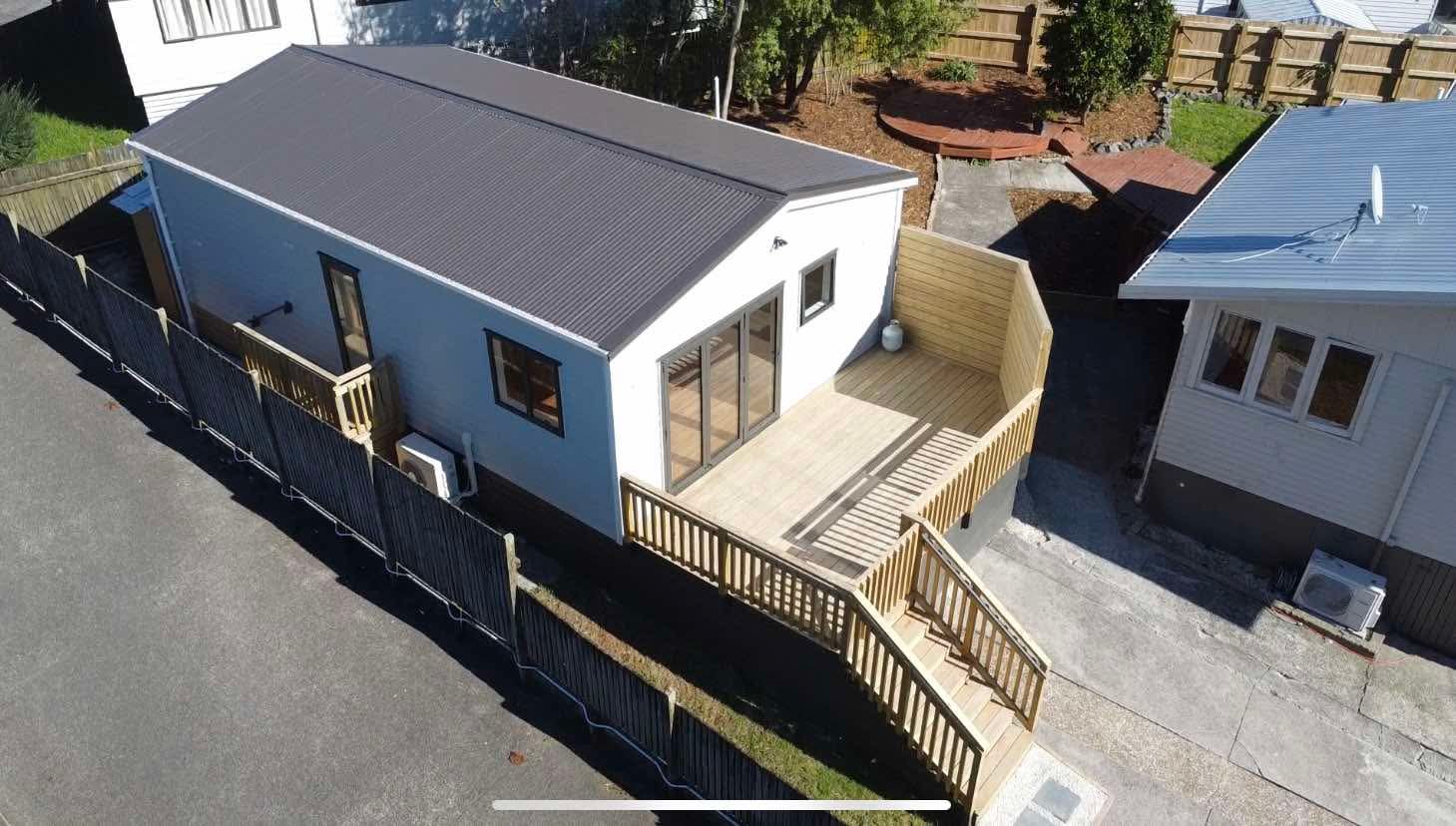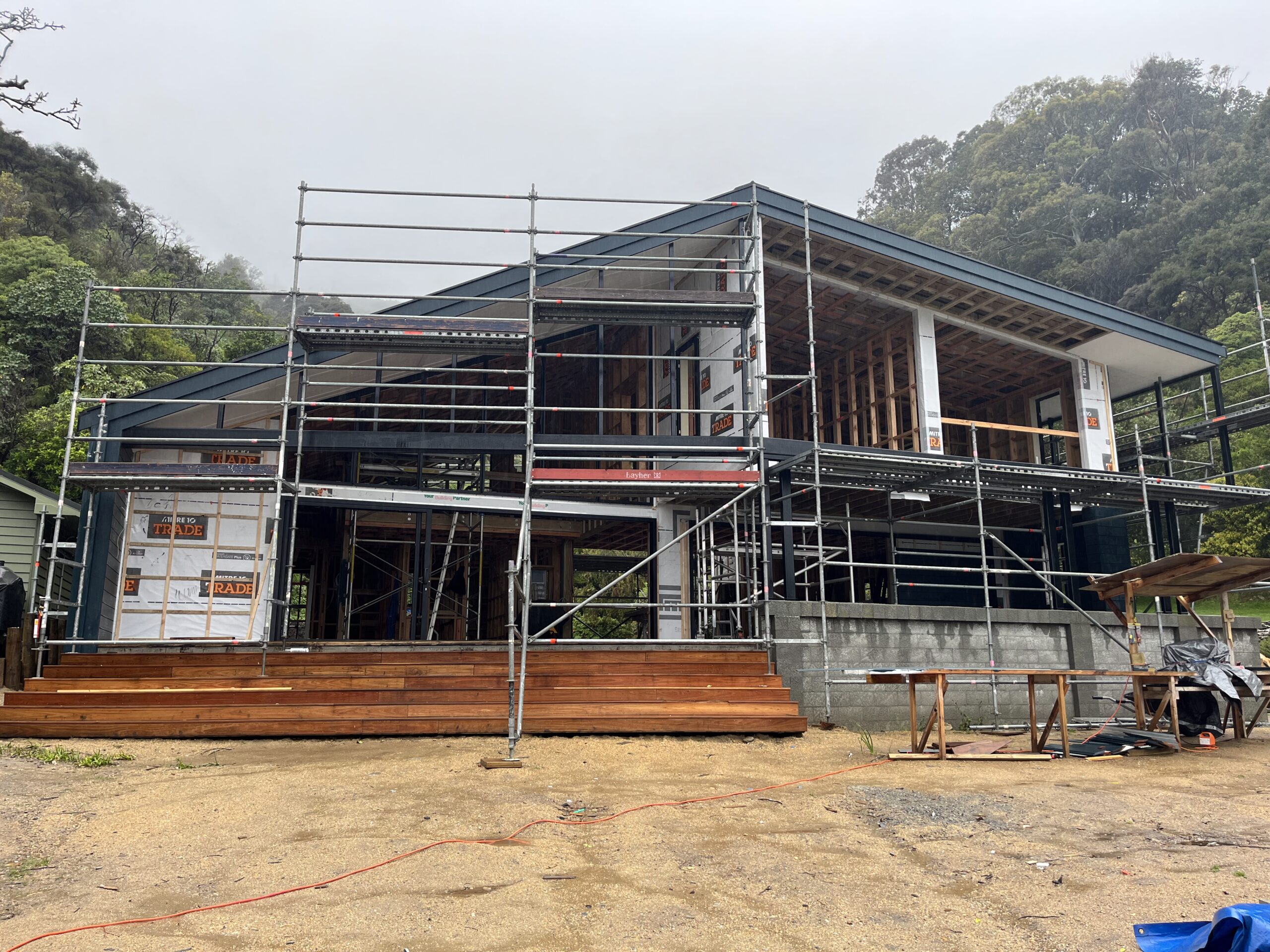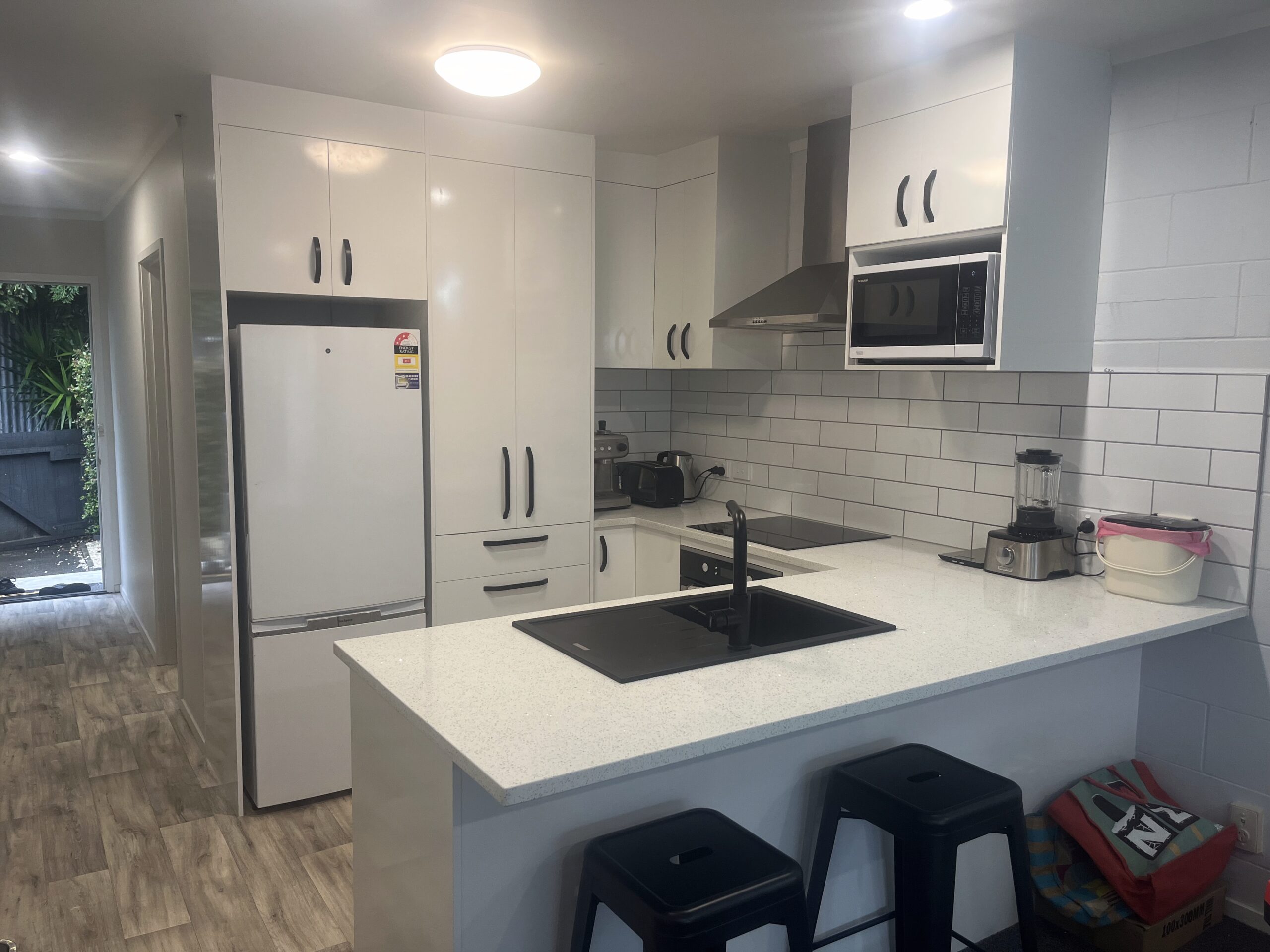
From early 2026, New Zealand homeowners and investors will have access to a new, simplified pathway for building minor dwellings (commonly known as granny flats).
Under changes to national building legislation, some standalone minor dwellings will no longer require a building consent, provided they meet strict design and construction rules. The goal is to reduce delays and red tape — not to lower building standards.
These changes have already generated strong interest. As reported by The Post, Auckland builders are seeing an immediate increase in enquiries following the announcement of the new rules, while also warning that the criteria are “pretty strict” and won’t suit every site.
👉 You can read the full article here:
https://www.thepost.co.nz/nz-news/360931784/granny-flats-get-easier-you-still-cant-build-anything-anywhere
This guide explains the new framework in simple terms, what still applies, and exactly what you need to do — in the correct order — to build legally and safely under the 2026 rules.
What Is Actually Changing in 2026?
From 2026, eligible minor dwellings can be built without applying for a building consent.
This removes:
- Long consent processing times
- Formal plan approval delays
- Some upfront council fees
However:
- All work must still comply with the Building Code
- Licensed professionals are mandatory
- Councils are still involved before and after the build
Think of it as a procedural shortcut, not a free-for-all.
Step 1: Confirm Your Site Can Use the Exemption
Not every property will qualify.
Before doing anything else, you must check:
- Zoning and overlays (flood plains, coastal hazards, heritage areas)
- Site slope and ground conditions
- Available space and boundary clearances
- Whether services (water, wastewater, stormwater, power) are available
If a site is affected by natural hazards and those risks can’t be properly managed, the exemption cannot be used and a standard building consent will be required.
Step 2: Make Sure the Design Fits the Exemption Rules
To qualify for the building consent exemption, every condition below must be met. If even one is missed, the project falls back into the normal consent process.
Core Building Rules
The minor dwelling must be:
- Standalone (not attached to another building)
- Brand new (not a conversion or alteration)
- Single storey only (no mezzanine)
- Maximum 70 m² internal floor area
- Maximum height of 4 metres (measured from floor level)
- Floor level no more than 1 metre above finished ground
- At least 2 metres from all boundaries and other residential buildings
These height and floor-level limits are strict — and can be challenging on sloping sites.
Step 3: Use Approved Lightweight Construction Only
The exemption is limited to simple, low-risk construction systems.
That means:
- Timber or light steel framing only
- Lightweight roofing (maximum 20 kg/m²)
- Wall claddings no heavier than 220 kg/m²
Some construction types are not allowed under the exemption:
- Heavy structural systems
- Multi-storey designs
- Complex architectural forms
Step 4: Understand the Plumbing, Electrical and Bathroom Limits
Services must be straightforward and independent.
Plumbing & Drainage
- Must connect to council systems where available
- Maximum 30 fixture units
- No pumped systems inside the dwelling
- Drain sizes and gradients must meet strict minimums
Electrical & Gas
- Independent electricity supply required
- Independent gas supply if gas is used
- No solid fuel heaters permitted
Bathrooms
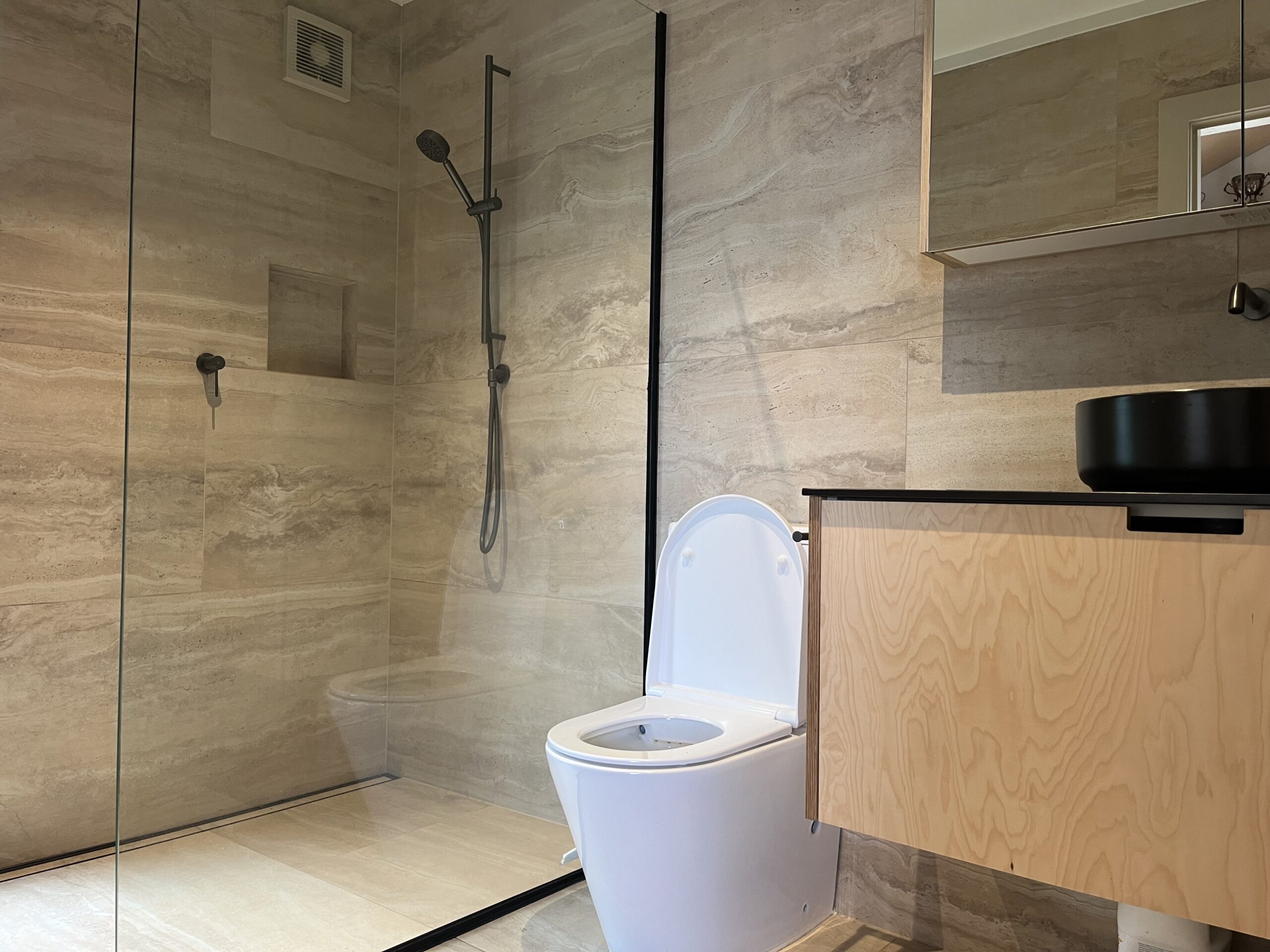
- No level-entry or wet-floor showers
- Only pre-manufactured shower units that do not require a waterproof membrane
These limits exist to reduce long-term failure risks.
Step 5: Engage Licensed Professionals (This Is Mandatory)
Even without a building consent:
- All restricted building work must be carried out or supervised by Licensed Building Practitioners (LBPs)
- Homeowners cannot self-build unless they hold the correct licences
You will need:
- An LBP designer (or registered architect/engineer)
- An LBP builder
- Licensed plumbers, drainlayers and electricians
These professionals are legally responsible for compliance — and must provide formal documentation at the end of the build.
Step 6: Apply for a Project Information Memorandum (PIM)
Before construction starts, you must apply for a PIM from your council.
The PIM:
- Is not an approval
- Provides site-specific information (hazards, services, overlays)
- Confirms whether the council believes the proposal is likely to meet exemption criteria
- Identifies whether development contributions will apply
Councils must issue a PIM within 10 working days of a complete application.
You cannot start building until the PIM is issued.
Step 7: Build Exactly to the Approved Plans
Once construction begins:
- The build must follow the design exactly
- Any change that breaches the exemption rules may trigger a building consent
- The homeowner is legally responsible for compliance
Because councils do not inspect exempt builds, quality control sits entirely with the professionals you engage.
Step 8: Complete the Build and Notify Council
Within 20 working days of completion, you must submit:
- Final as-built drawings
- Records of Work (RoWs) from LBPs
- Certificates of Work (CoWs)
- Electrical and gas safety certificates
- Payment of any development contributions
Councils will:
- Record the dwelling on the property file
- Store the documentation for future insurance, lending and resale
There is no Code Compliance Certificate (CCC) for exempt builds — your documentation replaces it.
Can a Minor Dwelling Be Rented?
Yes.
A minor dwelling built under the exemption:
- Can be rented to unrelated tenants
- Can generate separate income
- Must comply with Healthy Homes Standards
Separate metering is optional but commonly used for rentals.
Costs and Returns (Indicative)
While approval costs are reduced, build costs remain realistic.
Typical build range:
$180,000 – $320,000 (site & size dependent)
Typical Auckland rents:
$450 – $650 per week
Gross yields:
Often 10–15%, based on build cost alone
Key Takeaway
The 2026 minor dwelling reforms remove administrative barriers — not responsibility.
Success depends on:
- Careful site selection
- Strict design compliance
- Experienced licensed professionals
- Proper documentation from start to finish
When done correctly, this pathway offers a faster, lower-risk way to add value, income and flexibility to residential property.
Author Statement
This article has been prepared by Robert Macalister, Licensed Building Practitioner (LBP), drawing on direct consultation with a Design LBP and current MBIE guidance on the proposed 2026 minor dwelling exemption.
The information provided is general in nature. Final legislation, council processes and site-specific conditions may vary. Professional advice should always be obtained before proceeding.