
There has been a huge increase in enquiries around minor dwellings in Auckland, largely driven by the Government’s recent law change allowing standalone minor dwellings up to 70sqm to be built without building consent (under specific conditions).
This change is a positive step toward helping everyday New Zealanders contribute to solving the housing shortage — and we’ve definitely seen a surge in interest because of it.
Our Experience with the Rule Change
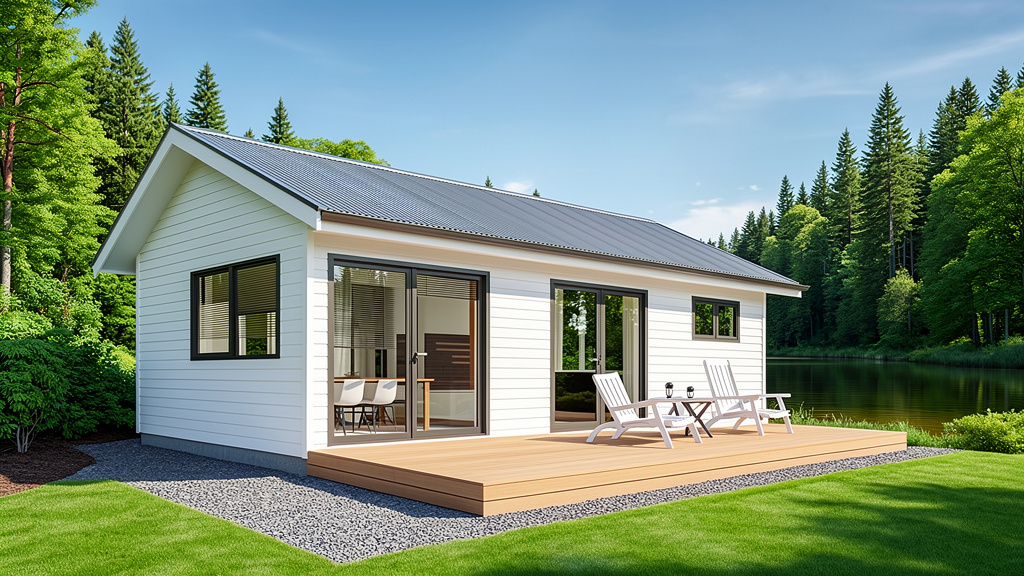
Prior to the law change, we created a range of pre-designed minor dwellings to offer clients a simple and efficient build option.
However, once the rules were introduced, we found that many of these designs didn’t meet the exemption criteria.
Despite this, they’ve remained some of our most popular builds — and for good reason.
Consent Exempt Minor Dwellings – The Benefits
Choosing a consent exempt minor dwelling can be a very attractive option, especially for investors.
Key advantages:
- No building consent required
- Save $5,000–$7,000 in council fees
- Reduce project timeline by at least 4+ weeks
- Avoid booking council inspections
If your goal is to generate rental income quickly, this is often the most efficient route.
Consented Minor Dwellings – Why They’re Still Popular
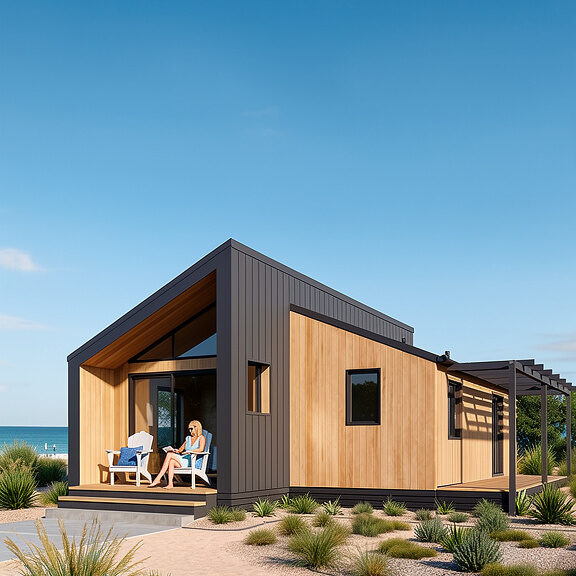
Consented dwellings give you far more flexibility in design and finish.
With consent, you can:
- Use dual cladding systems
- Introduce more complex layouts and shapes
- Add features like skillion ceilings to enhance space
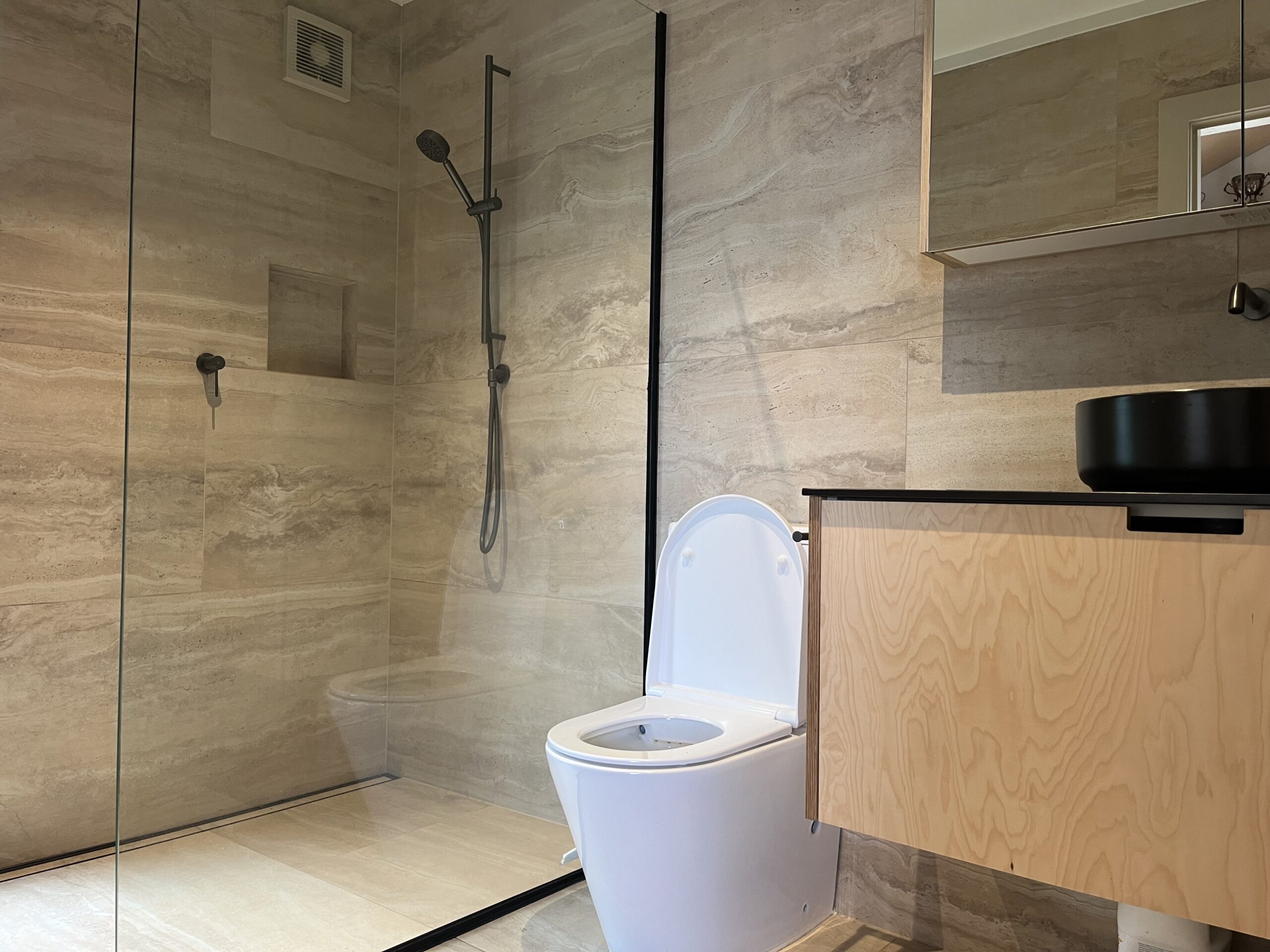
- Install fully tiled bathrooms
- Achieve a more architecturally designed outcome
These dwellings often:
- Add greater long-term property value
- Appeal more to owner-occupiers
- Feel more like a standalone home vs a unit
Which Option Is Right for You?
Go Consent Exempt if:
- You want a fast build
- You’re focused on rental yield
- You want to minimise upfront costs
Go Consented if:
- You want to maximise property value
- You care about design and finish
- You’re building for long-term living or resale
Important: Not Every Site Qualifies
One of the biggest misconceptions is that every property can accommodate a minor dwelling.
Key factors include:
- Zoning (e.g. Mixed Housing Suburban, THAB)
- Flood plains and overland flow paths
- Stormwater and wastewater access
- Site access and layout
- Cross lease or title restrictions
This is where we see a lot of people go wrong — designing before confirming feasibility.
Real Example – Rental Return
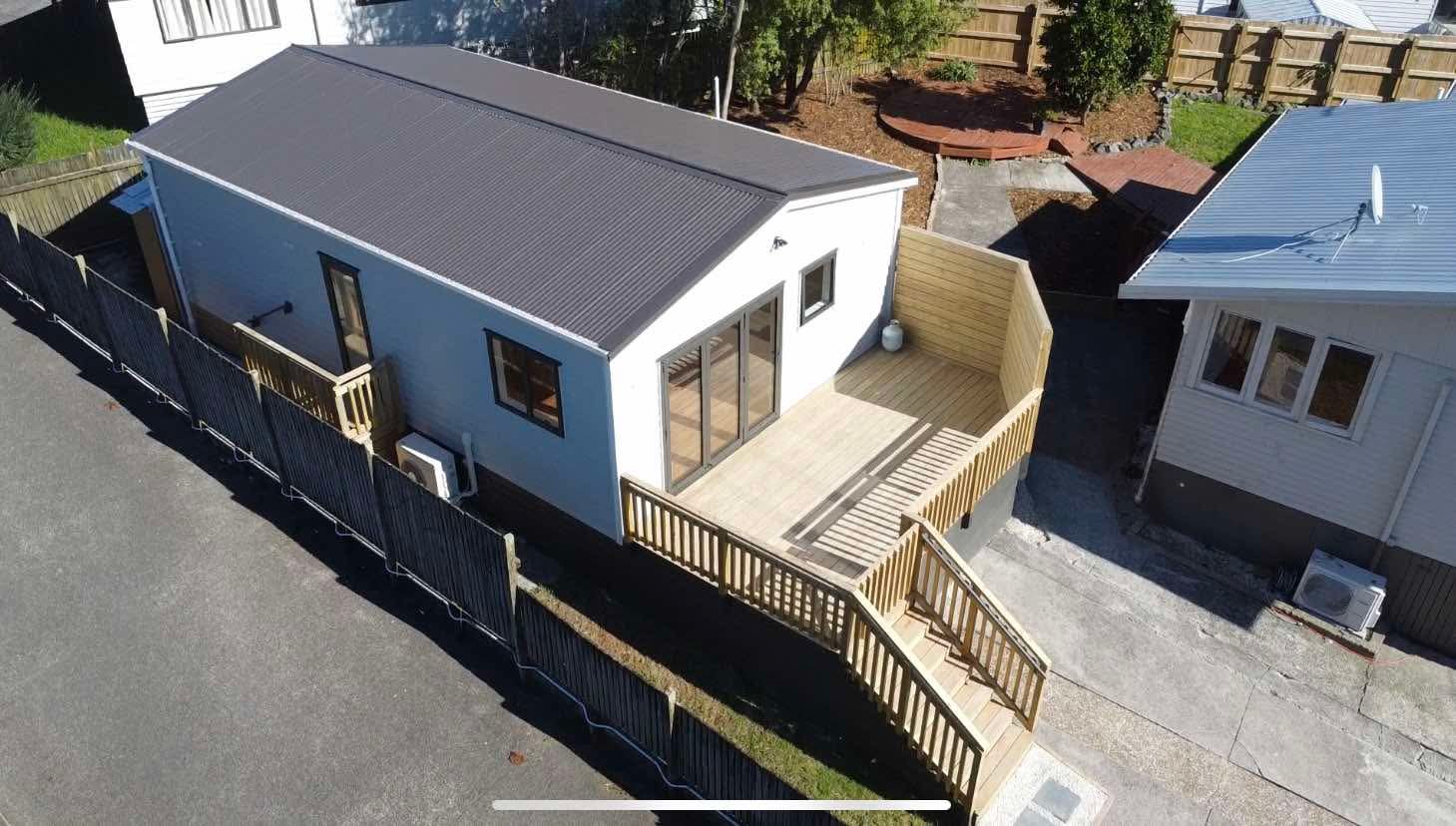
We recently completed a 60sqm 2-bedroom minor dwelling for:
- Build cost: $278,350
- Rental return: $600/week
That’s a strong return and shows why these builds are becoming increasingly popular.
Final Thoughts
The new exemption rules are a great opportunity — but they’re not always the best option for every project.
In many cases, a consented minor dwelling can deliver significantly more value, both in lifestyle and resale.
If you’re considering building a minor dwelling, the most important step is understanding what your site can actually accommodate.
Free Site Feasibility Check
We offer free site feasibility assessments to help you determine:
- Whether your property qualifies
- What type of dwelling suits your goals
- Estimated costs and returns
Get in touch to see what’s possible on your site.